

August 13, 2026
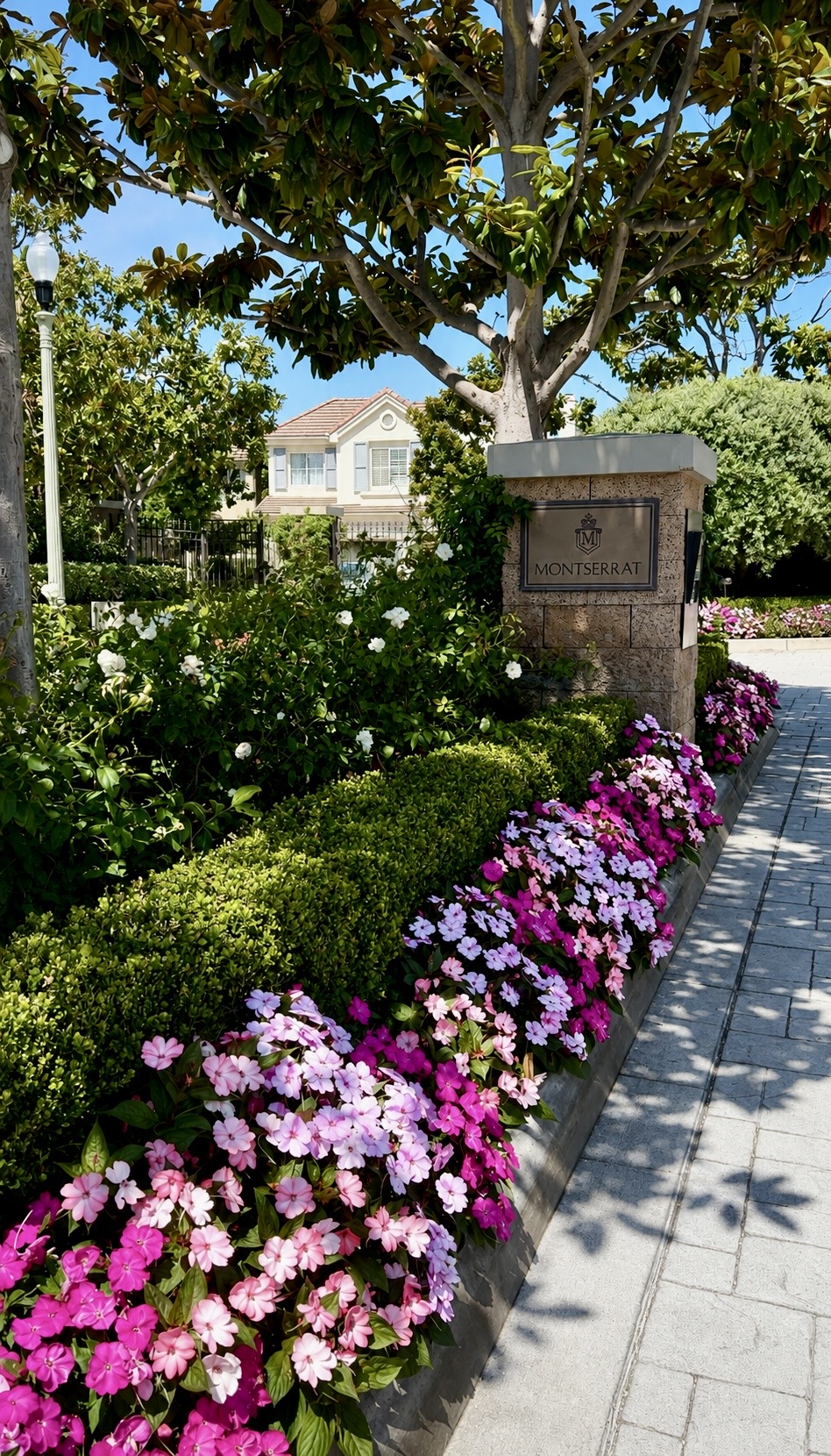
Seasonal color can be a small part of a landscape, but it can have a noticeable impact on how a property looks and feels.
Thoughtfully selected flowers add visual interest to entrances, common areas, walkways, and other high-visibility spaces. When seasonal color is planned as part of the overall landscape, it can complement existing plant material, enhance the property’s presentation, and create a more welcoming environment.
Creating Visual Interest in Key Areas
Entrances and common areas are often some of the first spaces people notice when arriving at a property. Adding seasonal flowers to these areas helps create focal points and brings additional color and texture into the landscape.
Rather than adding color everywhere, strategic placement allows seasonal plantings to highlight important areas without competing with the rest of the landscape design.
Complementing the Existing Landscape
Effective seasonal color should work with the property’s established landscape rather than feel separate from it.
Flower varieties, colors, textures, and placement can be selected to complement surrounding trees, shrubs, groundcover, and architectural features. This creates a more cohesive appearance and allows seasonal plantings to enhance the landscape that is already in place.
Creating a More Welcoming Property
A well-maintained landscape contributes to the overall impression of a property, and seasonal color can help make outdoor spaces feel more inviting.
Fresh, intentional plantings around entrances, gathering areas, and other frequently used spaces can help reinforce a clean and cared-for appearance throughout the property.
Maintaining Seasonal Color Through Warmer Conditions
Successful seasonal color requires more than selecting the right flowers. Ongoing landscape maintenance is important, particularly during warmer months when plants can experience additional stress.
Proper irrigation, monitoring, pruning, fertilization, and replacing declining plant material when necessary can help seasonal flowers maintain their appearance throughout the season. Plant selection should also account for site conditions such as sun exposure, temperature, and water requirements.
Seasonal Color as Part of a Complete Landscape Plan
Seasonal flowers are most effective when they are treated as one element of a broader landscape management plan.
Trees, shrubs, turf, irrigation, plant health, and ongoing maintenance all contribute to the appearance and performance of a landscape. Seasonal color adds another layer of detail, helping bring variation and visual interest to carefully selected areas of the property.
When planned and maintained with the entire landscape in mind, seasonal color can make a meaningful difference in how a property is presented throughout the year.
At Earthco, we take a comprehensive approach to landscape maintenance and enhancement, considering how each detail contributes to the overall appearance and performance of the property.
